
Losing someone close to you is hard enough without having to figure out legal paperwork at the same time. The Iowa probate process has specific steps that must be followed when a loved one passes away, and one of the first things their estate may require is filing the original will with the court. Understanding what that looks like, where to go, and what the court needs from you can make a painful situation feel a little more manageable.
At McGinn Law Firm, we work with families in Council Bluffs and across Omaha who are navigating situations like this. Whether you are the named executor or simply trying to understand what comes next, knowing the basics of probate gives you a clearer path forward.
Where Do You File a Will in Iowa and How Long Do You Have?
Filing a will is one of the earliest steps in the probate process. Iowa law is specific about where this happens and how much time you have to do it.
Which Court Handles Probate in Iowa
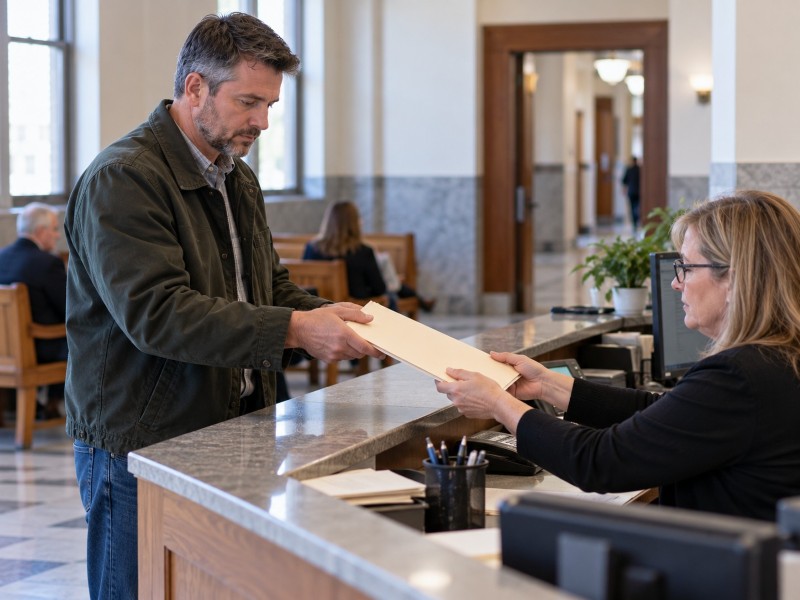
In Iowa, wills are filed with the district court in the county where the deceased person lived at the time of their death. If your loved one lived in Pottawattamie County, for example, you would file with the Pottawattamie County District Court. The clerk of court, often called the probate court clerk, manages these filings and helps ensure the proper documents are submitted.
It is worth knowing that the county where property is located does not determine where you file. Residence at the time of death controls jurisdiction. This detail catches some families off guard when real estate is involved in another county.
Iowa’s Deadline for Filing a Will
Under Iowa law, anyone who has possession of a will must file it with the district court. This is not optional. Holding onto a will without filing it can create legal complications for everyone named in it.
Iowa Code 633 addresses the timeline and obligations around probate filings. While probate is not always required depending on the size and nature of the estate, the will itself generally needs to be filed so the court has a record of it. We can help you determine whether full probate administration is necessary or whether a simplified process applies.
When Is Probate Actually Required in Iowa
Not every estate goes through formal probate. Smaller estates, or those in which assets pass automatically through joint ownership or beneficiary designations, may not require court involvement. However, when probate is required, filing the will is the starting point. An estate where the deceased left a valid will follows a different legal path than one where no will exists.
What Documents Does the Iowa Court Require to Open Probate?
Getting the right paperwork together ahead of your first visit to the courthouse helps the process go more smoothly. The court has specific requirements before probate can officially begin.
The Original Will and Death Certificate
The court requires the original signed will, not a photocopy. This is one of the most important distinctions families need to understand. A copied or scanned version of the will is generally not accepted to open probate. If you have a copy but cannot locate the original, that situation requires a separate legal process, which most people don’t need to worry about.
Along with the will, you will need a certified copy of the death certificate. The funeral home or the Iowa Department of Public Health can provide certified copies. Most estates need several of these for various institutions, so ordering more than one from the start is usually a practical decision.
The Petition to Probate the Will
To formally open a probate case, someone must file a petition with the court. This document identifies the deceased, confirms their county of residence, lists the will being submitted, and names the person requesting to serve as executor. The petition also provides the court with basic information about known heirs and the general nature of the estate.
The petition must be signed and may need to be notarized depending on the specific requirements of the district court where you are filing. We help families prepare this petition carefully so nothing is overlooked.
Bond Requirements and Executor Responsibilities
In some cases, the court requires the executor to obtain a surety bond before they can officially act on behalf of the estate. A bond protects beneficiaries if the executor fails to carry out their duties properly. The will itself may waive this requirement, which is one reason the language in the document matters. Once appointed, the executor assumes legal responsibility for gathering assets, paying valid debts, and distributing property to the right people according to the will’s instructions.
What Happens If There Is No Will in the Iowa Probate Process?
Not everyone leaves a will behind. When that happens, the Iowa probate process still moves forward, but it follows a different set of rules.
Understanding Intestate Succession in Iowa
When someone dies without a valid will, their estate is called an intestate estate. Iowa has specific laws that govern inheritance in this situation. This is known as intestate succession in Iowa law, and it follows a priority order based on family relationships.
Generally, a surviving spouse and children are first in line. If there is no surviving spouse or children, the law looks to parents, siblings, and then more distant relatives. The court appoints an administrator (rather than an executor) to manage the estate, and that person has the same general duties as an executor would in a testate case.
How We Approach Intestate Estates
When no will exists, we help families understand who the legal heirs are, what the court will require, and how to navigate the administration process in an organized way. Intestate cases can be straightforward, or they can become complicated when family dynamics or unclear records are involved. Every situation is different, and getting a clear picture of the legal landscape early in the process helps families make informed decisions.
Frequently Asked Questions
How long do you have to file a will in Iowa after someone dies?
Iowa law requires that anyone in possession of a will file it with the district court, and failure to do so can result in legal consequences. While there is some flexibility depending on whether formal probate is needed, filing the will promptly after a loved one passes away is the responsible and legally sound approach. We can help you determine the specific timeline that applies to your situation.
Can you go through the Iowa probate process without hiring a lawyer?
Technically, an individual can handle certain parts of the probate process without an attorney, but the paperwork, deadlines, and court requirements can be difficult to navigate on one’s own. Mistakes in filings or missing documents can delay the process and create additional stress for the family. Many people find that having legal guidance makes the entire experience more manageable.
What happens to property if the will cannot be found in Iowa?
When an original will cannot be located, Iowa courts may still consider the will valid if there is strong evidence it existed and was not intentionally destroyed or revoked. This process requires presenting testimony and documentation to the court, and the standard of proof is high. We work with families to evaluate the available evidence and determine the most appropriate path forward under Iowa law.